
Plastic surgery abroad requires more than comparing a price and a gallery. This independent guide helps you research plastic surgery in Albania, prepare for a proper surgical consultation, and plan recovery and travel without assuming that any procedure or clinic is suitable for you.
Plastic surgery procedures to research
Plastic and cosmetic surgery can involve the face, breasts or body. Each operation has different eligibility criteria, scars, anaesthetic requirements, recovery and risks.
- Face: rhinoplasty, eyelid surgery and face or neck lifting.
- Breast: augmentation, lift, reduction and implant revision.
- Body: liposuction, abdominoplasty and body contouring.
- Reconstructive or combined surgery: requires an individual plan and may need additional specialist input.
Read our detailed guides to Rhinoplasty in Albania and Breast Augmentation in Albania and Abdominoplasty in Albania and Liposuction in Albania and Facelift in Albania and Blepharoplasty in Albania. Additional procedure-specific guides are being prepared. Until then, do not treat general information on this page as a personal recommendation.
Who may be suitable?
Suitability can only be decided by an appropriately qualified surgeon after a clinical assessment. Expect questions about your goals, physical and mental health, medicines and supplements, allergies, previous operations, smoking or nicotine use, pregnancy, weight stability, clotting risk and the support available during recovery. Realistic expectations and the ability to follow aftercare are essential.
How to check a surgeon and facility
- Confirm the surgeon’s full name, training, registration and experience with the exact procedure.
- Meet the operating surgeon directly before consent. Do not rely only on a coordinator or salesperson.
- Ask where the operation will take place, who provides anaesthesia and what emergency facilities are available.
- Ask who provides daily advice, reviews, complication care and revision assessment after you return home.
- Request the complaints process, complication policy and written terms before paying.
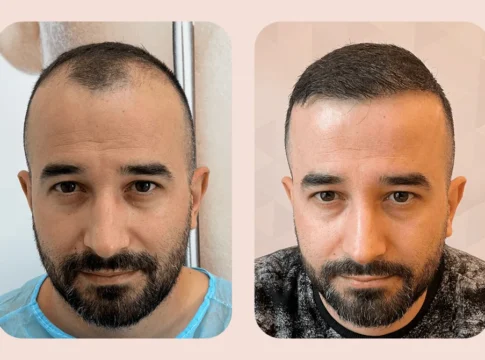
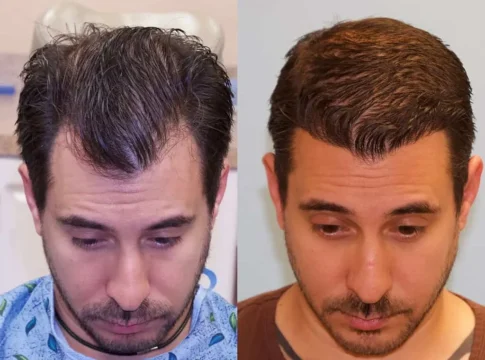
- Do not use social-media followers, edited photos or a limited before-and-after gallery as proof of safety.
Consultation and informed consent
A useful consultation explains reasonable alternatives, expected scars, likely recovery, limitations, material risks and the possibility of further surgery. You should have time to consider the information and ask questions without pressure. A remote consultation may help with early screening, but it does not replace the surgeon’s in-person assessment before an operation.
Risks to discuss
Risks vary by procedure and patient. They can include bleeding, infection, anaesthetic complications, blood clots or pulmonary embolism, fluid collections, delayed wound healing, scarring, changes in sensation, asymmetry, contour irregularity, implant or graft problems where relevant, dissatisfaction and revision surgery. Rare serious complications can occur. Your surgeon should explain your individual risk and what happens if a complication develops in Albania or after you travel home.
Travel, recovery and flying
Surgery and long journeys can both increase the risk of blood clots. There is no single safe flight date for every plastic-surgery procedure. Build the trip around pre-operative assessment, the operation, required reviews and written fitness-to-fly advice from the treating team. Plan enough time for unexpected review rather than booking the shortest possible stay.
Recovery should not be treated as a holiday. Sun exposure, swimming, alcohol, driving, exercise and lifting may be restricted. Before leaving, obtain your operation record, implant details if applicable, medicines, wound-care instructions, emergency contacts and a clear follow-up plan with a clinician at home.
What an itemized quotation should show
- The exact operation and the named surgeon, anaesthetist and facility.
- Pre-operative tests, surgeon and anaesthesia fees, theatre and hospital charges.
- Implants, grafts, garments, drains, dressings and medicines where applicable.
- Scheduled reviews and how urgent questions are handled.
- What is and is not covered if complications or revision assessment are needed.
- Travel and accommodation shown separately from clinical costs.
We do not publish one headline price for plastic surgery because procedure complexity, anaesthesia, facility, materials and aftercare can change the total substantially.
Plastic surgery clinics in Albania
The clinic profiles associated with this guide are research starting points, not rankings or endorsements. Verify the operating surgeon, facility and procedure-specific details yourself before making a decision.
Frequently asked questions
Is plastic surgery in Albania safe?
No country, clinic or surgeon can make surgery risk-free. Safety depends on the specific procedure, your health, the professionals and facility involved, infection and clot prevention, aftercare and continuity when you return home.
How long should I stay in Albania?
The required stay is procedure-specific. Do not choose dates from a generic package. The treating surgeon should specify assessment, discharge, review and flight timing for your case.
Can I combine several operations in one trip?
Sometimes procedures are combined, but a longer operation and more extensive recovery may increase risk. The surgeon and anaesthetist must assess whether combination is appropriate. Convenience should not decide the plan.
Can I choose a surgeon from online photographs?
Photographs may help explain a surgeon’s style, but they cannot verify qualifications, facility standards or predict your result. A proper consultation and independent credential checks remain necessary.
Sources and medical notice
This guide uses patient-safety information from the NHS, the Royal College of Surgeons of England, the American Society of Plastic Surgeons, and the CDC Yellow Book. It is general information, not medical advice, diagnosis or a guarantee of outcome. Seek urgent medical care for severe pain, breathing difficulty, chest pain, heavy bleeding, fever, spreading redness or other concerning symptoms.