

Liposuction is surgery that removes localized deposits of fat to alter body contour. It is not a weight-loss treatment, does not treat obesity, and cannot reliably remove cellulite, stretch marks or substantial loose skin. Results and recovery depend on the areas treated, technique, volume removed, skin quality and individual health.
What liposuction can and cannot do
Liposuction may help contour selected areas where localized fat persists despite stable weight and healthy habits. It works best when skin can contract around the new contour. If skin is significantly loose, removing fat can leave or worsen laxity. The surgeon may discuss no surgery, limited treatment, staged treatment or a skin-removal procedure instead.
Techniques and marketing names
Standard suction-assisted, power-assisted, ultrasound-assisted, laser-assisted and water-assisted techniques use different equipment. Terms such as “360,” “high-definition” or “sculpting” are marketing descriptions unless the surgeon clearly defines the body areas, method, expected volume, anaesthesia and safety plan. No technology eliminates surgical risk or guarantees smooth results.
Volume and number of areas matter
Risk can increase as aspirate volume, treated surface area, operating time and combined procedures increase. ASPS notes special considerations for large-volume liposuction. Ask for the estimated total aspirate, fluid plan, blood-loss monitoring, facility level, admission plan and the surgeon’s reason for treating several areas together rather than staging them.
Who may be suitable?
Assessment should include general health, BMI and weight stability, skin quality, medicines and supplements, smoking or nicotine, diabetes, anaemia, heart or lung conditions, previous surgery, clot history, pregnancy, mobility and expectations. Liposuction is not a substitute for medical weight management. Patients with loose skin, significant health risk or unrealistic goals may be advised against it.
Consultation and surgeon checks
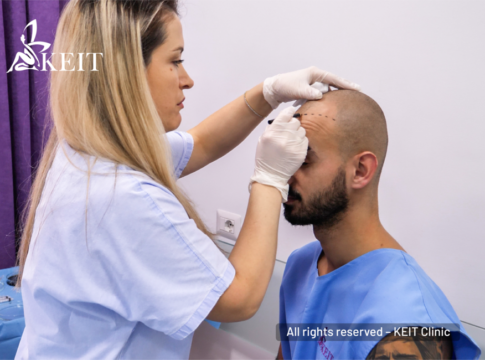
Meet the surgeon who will operate and verify their registration, specialist training and experience with the proposed technique and complication management. Confirm the hospital or surgical facility, anaesthesia professional, emergency capability and overnight monitoring criteria. The surgeon should mark and examine the intended areas in person before consent.
Risks and possible complications
Risks include bleeding, infection, anaesthetic complications, deep-vein thrombosis or pulmonary embolism, fluid imbalance, seroma, haematoma, persistent swelling or numbness, contour irregularity, asymmetry, pigmentation change, loose or rippled skin, poor healing, injury to nerves, blood vessels, muscles or internal organs, pulmonary oedema, thermal injury with some assisted techniques, fat embolism and revision surgery. Serious complications and death are possible.
Operation and early recovery
The NHS describes liposuction as often taking around one to three hours, commonly under general anaesthesia, with many patients staying overnight. Smaller treatments may use another anaesthetic plan. Compression garments are commonly worn for several weeks. Walking may begin early, while strenuous activity is restricted according to the treated areas and volume.
Bruising, swelling, fluid drainage, tenderness and temporary numbness are common. Initial work recovery varies, and final contour may not be clear for several months. Obtain written instructions for garments, wounds, medicines, mobility, showering, driving, exercise and warning signs.
Flying after liposuction
Surgery and prolonged travel increase blood-clot risk. NHS guidance about cosmetic surgery abroad gives a general minimum of five to seven days after liposuction, while CDC guidance emphasizes individualized delay after surgery and the added risk of long travel. These are not automatic clearance dates. Multiple areas, abdominal treatment, large-volume surgery, complications or reduced mobility may require a longer stay. Leave only after the treating surgeon reviews you and confirms fitness to travel.
What an itemized quotation should include
- The named surgeon, anaesthetist, facility and exact body areas.
- The technique, estimated aspirate range and whether treatment is staged.
- Tests, theatre, anaesthesia and any hospital or overnight monitoring.
- Compression garments, medicines, dressings and scheduled reviews.
- Clot-prevention and fluid-monitoring plans.
- Complication, readmission and revision policies.
- Travel and accommodation shown separately from clinical costs.
We do not publish one Albania price because body areas, technique, volume, anaesthesia, facility and aftercare can materially change the total.
Clinics offering plastic surgery
Associated profiles are research starting points, not rankings or endorsements. Confirm the named surgeon, facility, technique, safe treatment scope, emergency resources and follow-up arrangements independently.
Frequently asked questions
Is liposuction a way to lose weight?
No. It changes localized contour and is not obesity treatment. The scale may change, but weight loss should not be the reason for surgery.
Does liposuction tighten loose skin?
Not reliably. Skin may contract to some degree, but poor elasticity can leave irregularity or laxity. Ask whether skin-removal surgery or no surgery is more appropriate.
Can many areas be treated in one operation?
Sometimes, but greater volume, surface area and operating time can increase complexity. The surgeon and anaesthetist should decide whether staging is safer.
When will I see the final result?
Swelling can obscure contour for weeks or months. The NHS notes that treated areas may take up to six months to settle completely.
Sources and medical notice
This guide uses patient-safety information from the NHS, NHS cosmetic surgery abroad guidance, the American Society of Plastic Surgeons, the Royal College of Surgeons of England and the CDC Yellow Book. It is general information, not medical advice, diagnosis or a guarantee of outcome. Seek urgent care for breathing difficulty, chest pain, sudden leg swelling, fainting, heavy bleeding, severe or increasing pain, high fever, confusion or other concerning symptoms.