
Zygomatic implants are specialised, extra-long dental implants anchored in the cheekbone to support a fixed or removable upper-jaw prosthesis. They may be considered when severe upper-jaw bone loss makes conventional implants difficult and when bone-grafting alternatives are unsuitable, have failed or are not preferred after informed discussion.
This is complex maxillofacial treatment, not a routine implant procedure. Planning should combine surgical and restorative expertise, three-dimensional imaging, an assessment of sinus health and a clear long-term maintenance plan.
Who may be considered
Potential indications include a severely atrophic or deficient upper jaw, previous failure of implants or grafting, loss of maxillary bone following trauma or resection, and selected situations where staged grafting is not feasible or preferred. Zygomatic implants are used for the upper jaw. The final decision depends on the patient’s anatomy, health, sinus condition, prosthetic requirements and treatment alternatives.
Suitability cannot be confirmed from photographs or a panoramic radiograph alone. The International Team for Implantology recommends CT or CBCT imaging that includes the mid-face so the maxillary and zygomatic bone and sinus health can be assessed in three dimensions.
Assessment and planning
- Full medical, medication, smoking and dental history
- Examination of the mouth, remaining teeth, gums, bite and existing prostheses
- CT or CBCT assessment of the upper jaw, cheekbones, sinuses and nearby anatomy
- Evaluation and treatment planning for active dental or sinus infection
- Prosthetically driven planning of implant positions, bridge design, lip support, speech, hygiene access and bite
- Discussion of conventional implants, bone grafting, removable prostheses and no treatment where relevant
- A written anaesthesia, surgery, provisional-restoration, final-restoration and maintenance plan
How treatment may proceed
- Diagnostic phase: clinical assessment, imaging and restorative planning.
- Preparation: treatment of active disease and medical or anaesthetic review when required.
- Surgery: zygomatic implants are placed by a suitably trained surgical team, sometimes together with conventional or pterygoid implants.
- Provisional restoration: a temporary fixed bridge may be possible in selected cases when stability and the clinical plan allow it. Same-day teeth are not guaranteed.
- Healing and reviews: the surgical sites, sinuses, implants, bite and provisional prosthesis are monitored.
- Definitive prosthesis: the final bridge or removable prosthesis is fitted after the treating team confirms the appropriate stage.
- Maintenance: professional reviews, hygiene care and prosthetic servicing continue long term.
Risks and limitations
Possible complications include pain, swelling, bruising, bleeding, infection, sinusitis or other sinus problems, an opening between the mouth and sinus, soft-tissue irritation or recession, altered sensation, implant or restorative-component failure, and the need for revision surgery. Prosthetic complications can include fractures, loosening, bite problems, speech changes and difficulty cleaning beneath the restoration.
The implants are placed near important facial structures. Rare but serious anatomical complications can occur, including injury involving the orbit or deeper facial spaces. Individual risk can be higher with existing sinus disease, infection, smoking, uncontrolled medical conditions, poor hygiene, unsuitable anatomy or simultaneous extractions. Your surgeon and anaesthesia team must explain the risks specific to your imaging and health.
Zygomatic implants or bone grafting
Zygomatic implants may avoid a staged grafting pathway in selected patients, but they are not automatically safer, faster or better. Bone grafting, conventional implants and removable restorations remain appropriate alternatives for some cases. Compare the number of procedures, anaesthesia, expected treatment stages, prosthetic options, complications, maintenance and consequences of failure before deciding.
Planning travel to Albania
Do not book non-changeable travel until the clinic has reviewed the required records and explained that the final diagnosis is made in person. Ask how many visits and nights are recommended, when flying is considered appropriate after surgery, and whether sinus precautions apply.
Your written plan should identify the surgeon, restorative clinician and anaesthesia provider; the planned implants and prosthesis; provisional and final stages; medicines and aftercare; urgent contacts; review schedule; and arrangements for complications after you return home. Clarify which follow-up can be completed locally and what would require returning to Albania.
Questions for the surgical team
- What findings make zygomatic implants appropriate in my case?
- What alternatives have been considered, including grafting or a removable prosthesis?
- How many similar procedures has the surgeon performed, and who plans the final restoration?
- What does my scan show about the sinuses, cheekbones and nearby anatomy?
- Which type of anaesthesia is proposed, and who will provide and monitor it?
- Is the first bridge provisional, and when is the definitive prosthesis planned?
- What is included in the quote, and which complications or revisions may cost extra?
- Who provides urgent and long-term care after I return home?
Verified clinic and clinician
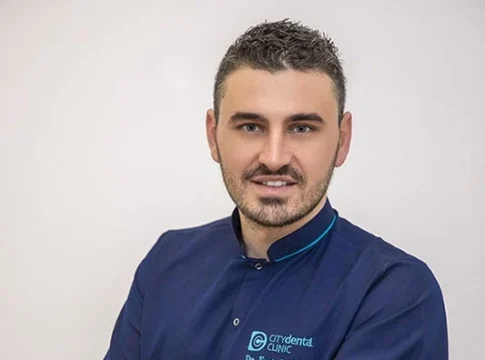
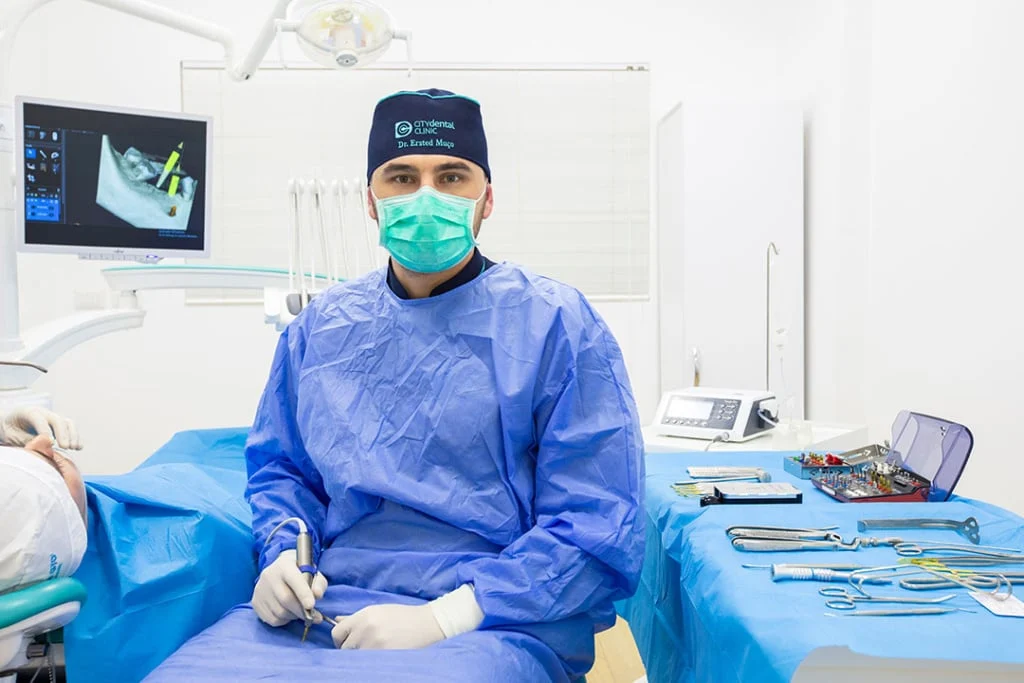
City Dental Clinic in Tirana officially lists zygomatic implants and advanced implantology. The clinic’s published information identifies Dr. Ersted Muço as an oral and maxillofacial surgeon and documents a 2021 University of Pisa Master of Science focused on rehabilitation of atrophic jaws with nasal, pterygoid and zygomatic implantology.
Verify the proposed operating team, current credentials, anaesthesia arrangements, implant system, prosthetic materials and complete treatment schedule in your individual written proposal.
Clinical reference
Clinic sources: City Dental Clinic implantology service and Dr. Ersted Muço’s official profile.
Request a treatment plan for a clinic-specific assessment and itemised proposal. A preliminary review does not confirm suitability, and treatment should not proceed without an in-person diagnosis and informed consent.