
Jaw surgery, also called orthognathic surgery, repositions the upper jaw, lower jaw or both to treat a skeletal jaw imbalance that cannot be corrected with orthodontics alone. Treatment is normally planned jointly by an orthodontist and an oral and maxillofacial surgeon and includes orthodontic care before and after surgery.
This is major elective surgery under general anaesthesia, usually with inpatient hospital care and long-term follow-up. It should not be treated as a short cosmetic trip. The diagnosis, functional goals, facial changes, orthodontic sequence, surgical movements, risks and aftercare must be agreed before travel.
Who may be assessed
Assessment may be appropriate when a jaw relationship causes a significant bite problem, facial asymmetry or difficulty with chewing, speech or lip closure, and orthodontic treatment alone cannot produce an acceptable functional result. Examples include selected open bites, underbites, overbites, jaw retrusion or protrusion and skeletal asymmetry.
Jaw surgery is not automatically appropriate for snoring, jaw-joint pain or appearance concerns. Airway, temporomandibular-joint and aesthetic claims require condition-specific assessment. Growth should normally be sufficiently complete, and physical and psychological readiness for a long treatment and recovery process must be considered.
The multidisciplinary assessment
- Full medical, dental, medication, smoking and anaesthetic history
- Examination of the face, jaw joints, teeth, gums, bite, speech and airway where relevant
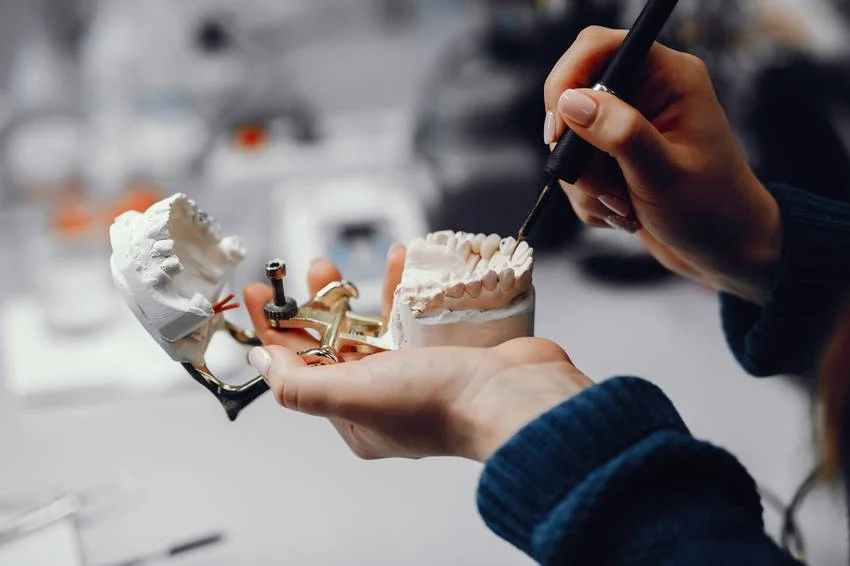
- Clinical photographs, dental models or digital scans and appropriate radiographs
- Cephalometric and three-dimensional planning when clinically indicated
- Assessment of dental health and any wisdom teeth, periodontal or restorative treatment required first
- Joint orthodontic and surgical discussion of the diagnosis, goals, alternatives and expected facial change
- Hospital pre-assessment, laboratory testing and anaesthetist review
- Written plans for orthodontics, surgery, fixation, diet, medicines, rehabilitation and follow-up
Computer planning or a visual simulation is a planning aid, not a guarantee of the final appearance or bite.
Typical treatment pathway
- Pre-surgical orthodontics: braces or another prescribed appliance align and prepare the teeth for the planned jaw position. This stage can take many months.
- Final planning: records are updated and the surgeon and orthodontist confirm the movements, bite, splints and fixation plan.
- Hospital surgery: the operation is performed under general anaesthesia. The jaw is divided in a controlled way, repositioned and stabilised with plates and screws. Upper-jaw, lower-jaw or double-jaw surgery may be proposed.
- Early recovery: hospital monitoring, swelling control, nutrition, oral hygiene, pain management and bite guidance are provided.
- Post-surgical orthodontics: the orthodontist refines the bite after initial healing.
- Retention and long-term review: orthodontic retainers, jaw and bite monitoring, hardware review and dental care continue after active treatment.
Recovery and practical limitations
Swelling, bruising, jaw stiffness, blocked-nose symptoms after upper-jaw surgery, temporary difficulty speaking and swallowing, tiredness and a liquid-to-soft diet are expected. Swelling is often most noticeable during the first days and may take weeks to settle, with subtle changes lasting longer.
Time away from work or study, activity restrictions and return to driving vary with the procedure and recovery. Contact sports and other activities that risk facial injury are normally restricted for longer. Your surgical team must give individual instructions.
Risks and possible complications
Risks include pain, swelling, bruising, bleeding, infection, wound problems, nausea, dehydration, difficulty maintaining nutrition, damage to teeth or restorations, sinus or nasal symptoms after upper-jaw surgery, jaw-joint symptoms and problems with plates or screws. A blood transfusion or return to theatre may rarely be required.
Altered sensation or numbness of the lip, chin, gums, teeth or tongue is common after some lower-jaw procedures and can be prolonged or permanent. Other risks include an unfavourable fracture, delayed or failed bone healing, bite discrepancy, limited mouth opening, gum recession, tooth-root injury, facial or bite asymmetry, relapse and further orthodontic or surgical treatment.
General anaesthesia also has risks that depend on the patient’s health and the complexity of surgery. The surgeon and anaesthetist must provide procedure-specific and patient-specific consent information.
Alternatives
Alternatives may include orthodontics alone with accepted limitations, restorative camouflage in carefully selected cases, no treatment, or a different surgical movement. A chin procedure does not correct a skeletal bite problem. The team should explain which functional and facial concerns each option can and cannot address.
Planning jaw surgery in Albania
Before paying or arranging travel, obtain a written joint plan from the surgeon and orthodontist. Confirm where the operation will take place and verify that the facility is licensed and equipped for maxillofacial surgery, general anaesthesia, inpatient monitoring, imaging, laboratory support, blood products and emergency escalation.
The proposal should identify the operating surgeon, orthodontist, anaesthetist and hospital; planned procedures; fixation system; expected admission; medicines; diet and physiotherapy guidance; emergency contacts; review dates; and management of bleeding, infection, airway problems, bite change, hardware problems or delayed healing.
Ask how long you must remain near the surgical team before flying and what clinical criteria determine fitness to travel. Long-term orthodontic and surgical reviews must be coordinated with clinicians in your home country. A remote consultation cannot replace the examinations and records required for a final surgical plan.
Questions to ask the team
- What is my skeletal and dental diagnosis, and why is surgery needed?
- What can orthodontics alone achieve, and what limitations would remain?
- Which jaw movements are proposed, and how could they affect my bite, face and airway?
- Who will coordinate orthodontics before and after the operation?
- At which licensed hospital will surgery take place, and who provides anaesthesia and inpatient care?
- What are my individual risks of numbness, relapse, bite change, joint symptoms and further surgery?
- How long must I remain in Albania, and what follow-up is required after returning home?
- What is included in the total quote, including hospital, orthodontics, imaging, hardware and complication care?
Verified clinic and clinicians
City Dental Clinic in Tirana publishes orthognathic surgery information and lists oral and maxillofacial surgery and orthodontics among its services. This verifies published availability, but the individual patient must still verify the proposed hospital, operating team and current surgical arrangements.
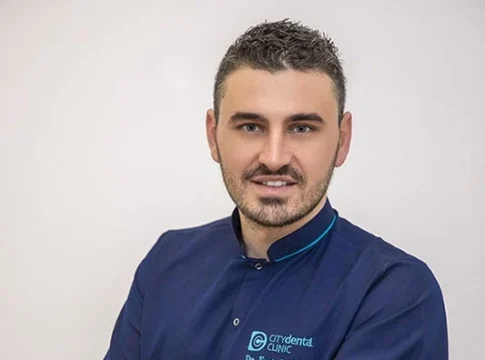
Dr. Ersted Muço is presented in the clinic’s official profile as an oral and maxillofacial surgeon. Dr. Eral Skënderi is presented as an orthodontist. Their inclusion here reflects their verified professional roles, not confirmation that they have accepted or jointly planned a particular case.
Clinical references
- Cambridge University Hospitals: jaw or chin corrective surgery information and consent
- British Orthodontic Society: Your Jaw Surgery
- Ashford and St Peter’s Hospitals: orthognathic surgery and risks
Clinic sources: City Dental Clinic orthognathic surgery information, Dr. Ersted Muço’s profile and Dr. Eral Skënderi’s profile.
Request a treatment plan for an initial multidisciplinary review. A request does not confirm suitability, a surgical plan or hospital admission.