
Full-mouth rehabilitation, also called full-mouth reconstruction, is coordinated treatment for complex problems affecting many or all teeth. It is not one standard procedure or package. A plan may combine restorative dentistry, gum treatment, root canal treatment, orthodontics, oral surgery, crowns, bridges, implants or removable dentures.
Who may need comprehensive rehabilitation?
A dentist may consider a comprehensive plan when problems cannot be managed predictably one tooth at a time. Examples include multiple missing teeth, widespread decay, failing large restorations, fractured teeth, severe tooth wear, unstable dentures, advanced gum problems or a combination of these conditions.
The aim should be to restore oral health and function while preserving suitable natural teeth. Removing teeth or placing implants should not be treated as the automatic starting point.
A multidisciplinary assessment
Complex rehabilitation may require input from restorative dentists or prosthodontists, periodontists, endodontists, orthodontists, oral surgeons and dental technicians. Assessment can include:
- Dental and medical history, medicines, allergies and previous treatment.
- Examination of teeth, gums, jaw joints, bite and existing restorations.
- Dental radiographs and, when clinically indicated, three-dimensional imaging.
- Photographs, impressions or digital scans and diagnostic models.
- Review of tooth wear, grinding, smoking, oral hygiene and gum stability.
- Discussion of realistic alternatives, maintenance requirements and prognosis.
Possible treatment pathways
Preserving and restoring natural teeth
Treatment may include fillings, inlays, onlays, crowns, bridges, root canal treatment, gum therapy and management of tooth wear. A plan should explain which teeth can be retained and the expected limitations of each restoration.
Implant-supported rehabilitation
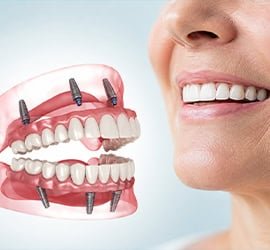
Implants may support individual crowns, bridges or a full-arch restoration. Suitability depends on general health, gum health, available bone, smoking status, medicines, anatomy and the ability to maintain the restoration. Bone grafting or other preparatory treatment may be needed, and treatment can require several stages.
Removable or combined rehabilitation
Complete dentures, partial dentures and implant-retained removable restorations may be appropriate alternatives. A combined plan can use natural teeth, implants and removable components according to clinical need.
Typical planning and treatment stages
- Diagnosis: identify active disease, urgent problems and the reason existing treatment has failed.
- Stabilisation: manage pain, infection, decay, gum disease and oral hygiene before definitive reconstruction.
- Options and written plan: compare alternatives, expected benefits, limitations, risks, stages, provisional treatment and costs.
- Provisional phase: temporary restorations or trial changes may be used to evaluate comfort, appearance, speech and bite.
- Definitive treatment: complete the agreed restorative, surgical, orthodontic or prosthetic stages.
- Maintenance: schedule hygiene, reviews, imaging when indicated and management of wear or complications.
Risks and limitations
Risk depends on every procedure included in the plan. Possible problems include pain, infection, sensitivity, gum recession, fracture, decay, root canal complications, implant failure, altered sensation, bite or jaw-joint symptoms, restoration loosening or wear, and the need for repair or further treatment. Complex restorations require continuing professional maintenance and may need replacement.
A remote review of photographs or scans can help organise a consultation, but it cannot confirm the final diagnosis, suitability or quotation.
Planning full-mouth treatment in Albania
- Request a tooth-by-tooth diagnosis and a staged written treatment plan.
- Ask which teeth are proposed for removal and whether retaining them is a reasonable alternative.
- Confirm the names and roles of every clinician involved.
- Request an itemised quotation separating assessment, temporary work, surgery, implants, laboratory components, final restorations and follow-up.
- Confirm the number and timing of visits before booking travel.
- Ask what temporary teeth or restorations will be provided between stages.
- Agree how complications, remakes and emergency care will be managed after returning home.
- Obtain copies of imaging, treatment records and implant or restoration details.
Questions to ask the clinic
- What active dental or gum disease must be treated first?
- Which natural teeth can be retained, and what is their prognosis?
- What alternatives exist to the proposed implant or full-arch treatment?
- How has the proposed bite and restoration design been evaluated?
- Who is responsible for long-term maintenance in Albania and at home?
- Which costs or procedures could change after the in-person examination?
Clinical references
- American College of Prosthodontists: Full Mouth Reconstruction
- Leeds Teaching Hospitals NHS Trust: Restorative Dentistry Information
- Guy’s and St Thomas’ NHS Foundation Trust: Restorative Dentistry
- American Dental Association: Dental Implants
Verified clinic availability
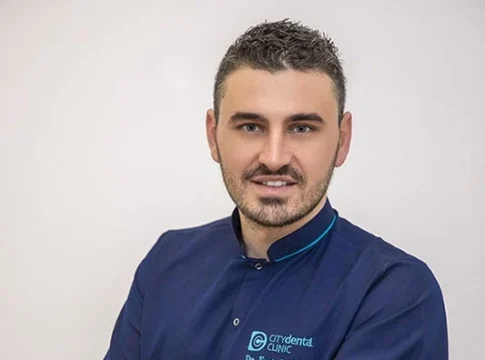
City Dental Clinic describes full-mouth reconstruction using combinations of implants, crowns, bridges, fixed prostheses and, where required, preparatory bone or gum treatment in its official clinic information. The final diagnosis, team, stages and suitability must be confirmed for each patient.
This page provides general information and does not diagnose conditions or recommend a specific procedure. A licensed dental team must confirm suitability, alternatives, risks, timing and costs after an appropriate examination.