
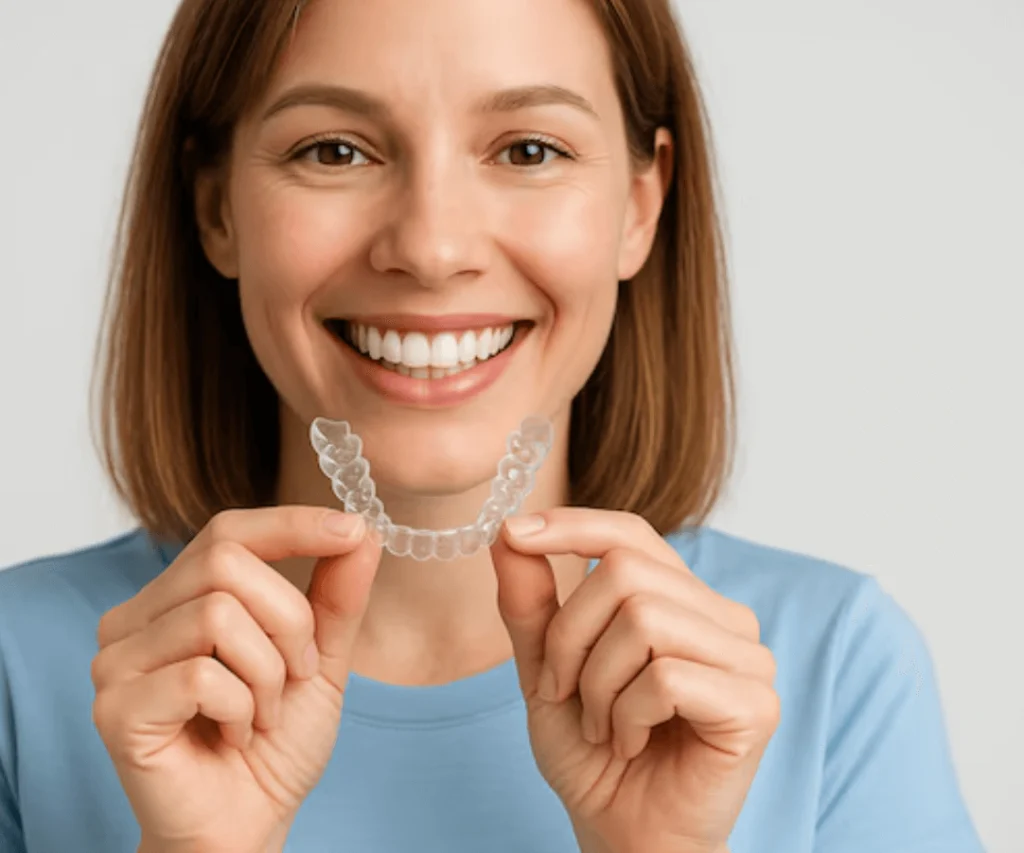
Clear aligners are removable, custom-made trays that move teeth gradually. Invisalign is one specific clear-aligner brand. Whether aligners, fixed braces or another approach is appropriate depends on an orthodontic assessment, oral health and the tooth movements required.
What clear aligners may treat
Clear aligners may be considered for selected cases involving crowded or crooked teeth, gaps and some bite problems. They are not suitable for every patient or every movement. Some cases are treated more predictably with fixed braces, and a combined approach may occasionally be recommended.
A scan or photographs alone do not replace a full diagnosis. Before treatment, the clinician should assess the teeth, gums, jaws and bite, and decide whether X-rays or other records are needed. Active decay and gum disease generally need to be stabilised first.
How treatment is planned
- Clinical assessment: your dental history, oral health, teeth, jaws and bite are examined.
- Records: photographs, digital scans or impressions and appropriate radiographs may be taken.
- Personalised plan: the orthodontist explains the intended movements, alternatives, limits, expected monitoring and retention.
- Aligner fitting: the first trays are checked. Tooth-coloured attachments, limited enamel reduction between teeth, or elastics may be recommended when clinically appropriate.
- Monitoring: progress is reviewed and the plan may change if teeth do not track as expected. Additional scans and refinement trays can be required.
- Retention: retainers are normally needed after active treatment to reduce the risk of teeth moving again.
Daily wear and follow-up
Aligners normally need consistent daily wear according to the clinician’s instructions. They are removed for eating, drinking anything other than water, brushing and flossing. Treatment length and the number of visits vary with the diagnosis, planned movements, response to treatment and wear compliance.
For patients travelling to Albania, the written plan should state which reviews must be completed in person, whether remote monitoring is available, how replacement trays are handled and who to contact if an attachment is lost or an aligner no longer fits. Remote reviews do not remove the need for clinically appropriate examinations.
Possible risks and limitations
Temporary pressure or soreness can occur when a new aligner is fitted. Other possible issues include speech or saliva changes, gum irritation, tooth decay or gum inflammation when hygiene is poor, lost attachments, aligners that stop tracking and the need for refinements or a different appliance. Orthodontic treatment can also be associated with gum recession, changes around the roots of teeth, unwanted bite changes and relapse after treatment. Individual risks depend on your oral health and treatment plan.
Good cleaning, regular dental care, scheduled orthodontic reviews and correct retainer wear are important throughout the process. Seek advice promptly if you develop persistent pain, significant swelling, an injury, or an appliance problem.
Questions to ask before accepting a plan
- What is my diagnosis, and why are aligners suitable for this case?
- Is the proposed system Invisalign or another clear-aligner product?
- Who will diagnose, prescribe and monitor the treatment?
- Are attachments, enamel reduction, elastics, refinements and retainers included?
- Which visits must be in person, and what happens if treatment does not track?
- What is included in the itemised quote, and what could incur an additional charge?
- How will urgent problems and long-term retention be managed after I return home?
Verified clinic availability
City Dental Clinic in Tirana lists invisible orthodontics and Invisalign among its services. Its official information describes an assessment followed by digital scanning and a personalised plan when the patient is suitable. Brand, package, treating clinician, inclusions and follow-up arrangements should be confirmed in the individual written proposal.
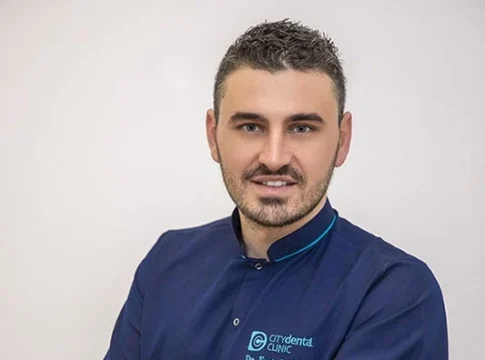
Dr. Eral Skënderi’s official clinic profile documents specialist orthodontic training and further Invisalign training. See the connected clinician profile on this page for verified details.
Clinical references
- American Association of Orthodontists: Clear Aligners
- NHS: Braces and orthodontic assessment, care and retention
Clinic service source: City Dental Clinic: Invisalign treatment information.
Request a treatment plan to receive a clinic-specific assessment and itemised proposal. Submitting a request does not confirm suitability or create a treatment commitment.