

A facelift, or rhytidectomy, is surgery intended to improve loose tissue and visible aging in the lower face and sometimes the neck. It does not stop aging, guarantee a particular appearance or replace every other facial procedure. Technique, scars, recovery and risk depend on the areas treated and the individual patient.
Facelift, neck lift and other options
A facelift commonly addresses jowls and lower-face laxity. A neck lift may address loose neck skin and deeper neck tissues. These procedures are often discussed together but are not identical. Eyelid surgery, brow lift, fat transfer, resurfacing and injectables treat different concerns and add their own risks. Non-surgical treatment cannot reproduce surgical tissue repositioning, while surgery cannot guarantee flawless skin texture or symmetry.
Techniques and scars
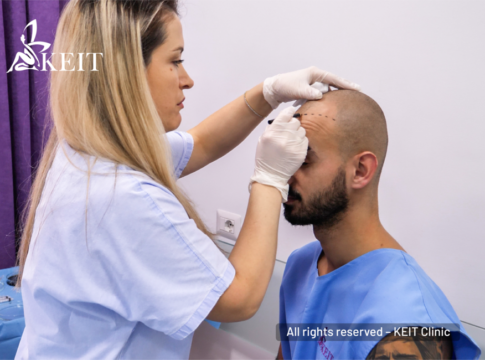
Facelift techniques differ in incision length and how deeper tissues are repositioned. Incisions commonly follow the hairline and contours around the ear, and may extend behind the ear or under the chin. Scars are permanent even when carefully placed. Ask the surgeon to draw the planned incisions and explain how hairline, sideburn, earlobe and neck contours may change.
Who may be suitable?
Assessment should cover goals, facial and neck anatomy, skin quality, general health, blood pressure, medicines and supplements, smoking or nicotine, diabetes, bleeding and clot history, previous facial procedures, healing risk and expectations. Poorly controlled blood pressure can increase haematoma risk. Smoking and nicotine can significantly impair skin blood supply and healing.
Consultation and surgeon checks
Meet the operating surgeon and verify registration, specialist training and current experience with the proposed facelift and neck technique. Confirm the hospital, anaesthesia professional, emergency capability, overnight plan and who handles urgent swelling or weakness. Ask to discuss complications from the surgeon’s own practice and how revisions are assessed and funded.
Risks and possible complications
Risks include bleeding or haematoma, infection, anaesthetic complications, blood clots, fluid collection, facial-nerve injury causing temporary or permanent weakness, numbness, persistent pain, poor wound healing, skin loss, prolonged swelling, asymmetry, contour or earlobe distortion, hair loss around incisions, visible or unfavorable scars, dissatisfaction and revision surgery. Rapidly increasing swelling after facelift can be an emergency.
Operation and recovery
The NHS describes facelift surgery as often lasting around two to three hours, usually under general anaesthesia but sometimes local anaesthesia with sedation, with many patients staying overnight. Bruising can remain visible for at least two weeks, and recovery commonly takes two to four weeks. Swelling, numbness and tightness can last longer, and the result may continue settling for six to nine months.
Obtain written instructions for dressings, drains, wound care, medicines, head elevation, washing, sleep, driving, exercise and urgent symptoms. Complete required surgeon and wound reviews before leaving Albania.
Flying after facial surgery
Surgery and prolonged travel increase blood-clot risk. CDC guidance cites a general recommendation to wait seven to ten days after facial cosmetic procedures before flying, but this is not automatic clearance for a facelift. Haematoma, swelling, wound problems, reduced mobility or combined surgery may require a longer stay. Travel only after the surgeon reviews you and confirms individualized fitness to fly.
What an itemized quotation should include
- The named surgeon, anaesthetist, hospital and exact face and neck procedures.
- Technique, incision plan and whether fat transfer or another procedure is included.
- Tests, theatre, anaesthesia and hospital stay.
- Dressings, drains, garments, medicines and scheduled reviews.
- Urgent-care, complication, readmission and revision policies.
- Travel and accommodation shown separately from clinical costs.
We do not publish one Albania price because surgical extent, technique, combined procedures, anaesthesia, hospital stay and follow-up can substantially change the total.
Clinics offering plastic surgery
Associated clinic profiles are research starting points, not endorsements. Independently verify the named surgeon, facility, anaesthesia, technique, emergency coverage and follow-up arrangements.
Frequently asked questions
Does a facelift treat the whole face?
Usually it focuses on the lower face and may include the neck. Eyelids, brow, skin surface and volume loss may need separate assessment.
Are facelift scars invisible?
No. They are permanent but planned around natural contours and hair-bearing areas. Healing and visibility vary.
How long will bruising be visible?
The NHS notes that bruising is commonly visible for at least two weeks. Some swelling and changes can remain longer.
Can I combine facelift and eyelid surgery?
Sometimes, but combination increases operating scope and changes recovery and risk. The surgeon and anaesthetist should decide whether this is appropriate.
Sources and medical notice
This guide uses information from the NHS, the American Society of Plastic Surgeons, BAAPS, the Royal College of Surgeons of England and the CDC Yellow Book. It is general information, not medical advice or a guarantee. Seek urgent care for breathing difficulty, chest pain, sudden leg swelling, rapidly increasing facial or neck swelling, heavy bleeding, new facial weakness, high fever or other concerning symptoms.