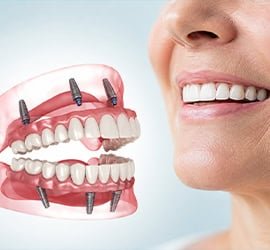


Dental implants can support a crown, bridge or denture by replacing the root portion of a missing tooth. Treatment is personalised and may involve assessment, imaging, implant placement, a healing period and later fitting of the final restoration.
Why patients research dental implants in Albania
International patients often compare Albanian clinics for accessibility, treatment coordination and overall cost. Price should not be the only deciding factor. The proposed diagnosis, clinician’s qualifications, implant system, laboratory work, infection-control procedures and long-term aftercare are all important.
Assessment before treatment
A responsible clinic should review your dental and medical history, current medicines, oral hygiene, gum health and available jawbone. Panoramic imaging or cone-beam CT may be recommended to evaluate bone and nearby anatomical structures. Some patients require treatment for decay or gum disease, extraction healing or bone grafting before an implant can be placed.
Typical treatment stages
- Consultation and treatment plan: diagnosis, imaging, alternatives, risks, materials, schedule and written quotation.
- Implant placement: the implant is placed surgically under an agreed form of anaesthesia.
- Healing: the bone needs time to integrate with the implant. This can take several months and varies by patient.
- Final restoration: an abutment and crown, bridge or denture are fitted after the implant is considered stable.
- Maintenance: ongoing cleaning, dental reviews and professional hygiene remain necessary.
Who may need additional assessment?
Active gum disease, severe bone loss, poor oral hygiene, unmanaged medical conditions and smoking or vaping may affect treatment planning or healing. A clinic should never confirm suitability from photographs alone.
Risks and limitations
Possible complications include infection, bleeding, swelling, altered sensation, failure of the implant to integrate, loosening or wear of components and the need for additional procedures. Individual risk depends on anatomy, health, treatment complexity and aftercare.
Planning treatment abroad
- Ask whether treatment requires one trip or several visits.
- Request the implant brand, component details and restoration materials in writing.
- Confirm who performs the surgery and who designs the final restoration.
- Ask what happens if healing is delayed or complications arise after returning home.
- Obtain records, imaging and implant identification information before departure.
- Arrange access to a dentist at home for urgent and long-term care.
Questions to ask a clinic
- Is the clinic licensed and is the treating clinician registered?
- What alternatives to implants are appropriate for my case?
- What is included and excluded from the quotation?
- Could bone grafting or additional treatment be required?
- What is the expected schedule and when is flying considered appropriate?
- What written aftercare and complication policy will I receive?
Clinical references
- Cleveland Clinic: Dental Implants
- Guy’s and St Thomas’ NHS Foundation Trust: Dental Implants
- American College of Prosthodontists: Dental Implant FAQs
This page provides general information and does not diagnose conditions or recommend a specific procedure. Suitability, timing, risks and costs must be confirmed by a licensed dental professional who has assessed you.